When the World Ends, At Least We Won’t Have Emails (Or Good Acting).
The Therapeutic Allure of Apocalyptic Cinema

In an era where daily life often feels like an endless cycle of trivial obligations—commutes, emails, and fleeting distractions—apocalyptic films offer a peculiar form of solace.
Philosophers of modern psyche have noted that imagining total collapse strips away the superficial layers of existence, revealing a raw, primal core where survival instincts reign supreme. This is not mere escapism but a therapeutic confrontation with our anxieties: the fear of insignificance in a vast, indifferent universe. When society crumbles on screen, our own petty worries dissolve into irrelevance. There’s a sombre comfort in this doom—watching civilizations fall provides a controlled simulation of chaos, allowing us to vicariously experience loss without real consequence. It soothes the modern dread of unpredictability; in the ruins, everything is reduced to fight-or-flight, granting an illusory sense of agency amid crumbling structures. We feel in control precisely because the stakes are absolute, yet safely distant. These narratives tap into a deep-seated relief: the apocalypse absolves us of responsibility for the mundane, transforming meaningless routines into a noble struggle for existence. In this way, films depicting planetary devastation become a balm for the overburdened mind, a serious meditation on what truly matters when nothing is left.

Pitch Black: Noir in the Void, with a Side of Ridiculous
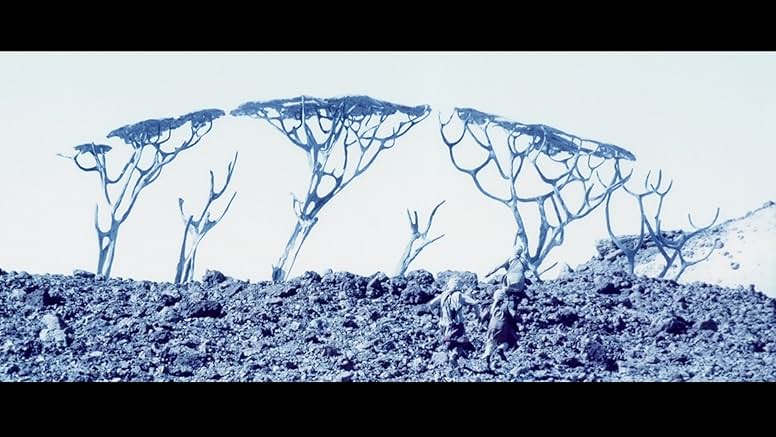
From this therapeutic lens, Pitch Black (2000) emerges as a standout entry in the survival-apocalypse subgenre, blending sci-fi horror with extraterrestrial noir. It begins promisingly: a ragtag crew crash-lands on a desolate planet under triple suns, where eternal daylight masks lurking dangers. The fear of the dark is visceral here—the eclipse that plunges the world into night unleashes swarms of hammerhead bioraptors, those bioluminescent nightmares with scythe-like wings and a penchant for human sushi. The film nails the tension of a thriller set on an alien rock, with shadowy corridors of abandoned outposts and a palette of stark whites and blues evoking isolation. Special effects hold up adequately for the era—practical creature work mixed with early CGI that doesn’t scream “dated” too loudly.
And then there’s Richard B. Riddick, the escaped convict with shiny eyes and a voice like gravel soaked in whiskey. Vin Diesel’s antihero is the ultimate Mary Sue of the cosmos: he outruns stampeding bioraptors (while dragging a wounded imam, no less), outsees them in pitch blackness thanks to his “eyeshine” surgery, outsmarts the planet’s orbital mechanics, and even outdrinks the local wildlife (okay, that last one’s a stretch, but you get it). It’s riddickulous—pun very much intended. Picture this: bioraptors swooping like demonic bats, and Riddick just parkours over them, knife in teeth, growling one-liners. He survives sandstorms, eclipses, and betrayal without breaking a sweat, making the planet itself seem like a pushover. It’s fun to root for him, but come on—give the poor creatures a fighting chance!
The Chronicles of Riddick: Orange You Glad It’s Over?
Sequeling into The Chronicles of Riddick (2004), the franchise shifts gears from tight thriller to bloated space opera, and honestly, there’s not much to write home about. If Pitch Black was a cool bluish-white fever dream of survival, this one’s an overbaked orange haze—think endless deserts on Crematoria, Necromonger fleets in sepia tones, and enough CGI conquests to make your eyes glaze over. Vin Diesel hulks through it all, expanding Riddick’s lore into galactic prophecy territory. Still, it feels like the movie’s trying too hard to be epic and ends up as a middling action flick with delusions of grandeur. Fun fact: the color palette alone could tan your retinas. It’s watchable in a popcorn-munching way, but don’t expect the primal punch of the first.
Riddick: Dahl’s the Real MVP
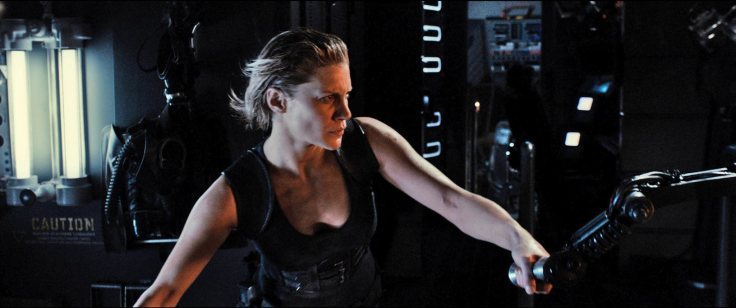
The third installment, simply titled Riddick (2013), surprisingly rebounds with some genuine fun, dialing back the bombast for a return to planet-bound survival antics. It’s got mercenaries, bounties, and those pesky bioraptors again, but the standout is Dahl, the tough-as-nails sniper played by Katee Sackhoff. She’s hot, she’s amazing, and she’s a powerhouse—one of the rare female space characters who’s truly badass without needing a romantic subplot to prop her up. Dahl doesn’t just hold her own; she owns the screen every time she appears. From the moment she drops in with the merc crew, rifle slung like an extension of her arm, you know this isn’t some token tough girl. She’s the deadliest shot in a pack of killers, picking off threats from impossible distances while the guys are still fumbling with their scopes. When the team debates strategy, Dahl doesn’t ask permission—she states facts, issues orders, and backs it up with action. Her quips cut sharper than Riddick’s shivs, and her shutdowns are instant, brutal, and final. In combat? She’s poetry in motion—vaulting over debris, sliding into cover, popping heads with surgical precision while bioraptors swarm. No screaming, no panic, just cold efficiency. She even goes hand-to-hand with alien beasts when ammo runs low, using environment and grit like a veteran cage fighter. When a teammate panics, she ends the conversation with a look that could stop a charging mud demon. Dahl proves you don’t need super-sight, prophetic destiny, or a gravelly monologue to dominate; just skill, nerve, and zero tolerance for nonsense. In a franchise built on one man’s invincibility, Dahl steals the show by being human—flawed, fierce, and undeniably in charge.
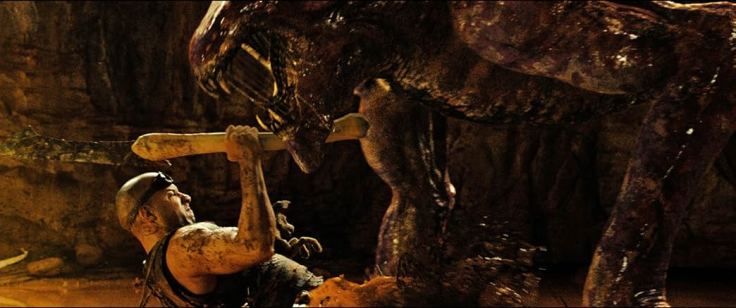
That said, Vin Diesel’s Riddick remains a sore point—he’s less a character than an invincible caricature, spouting exposition like a walking wiki. The less anyone speaks, the better; dialogue often bogs down the momentum. And Riddick’s infallibility? Overplayed to the point of parody—he tames alien dogs, predicts storms, and escapes every trap like it’s a mild inconvenience. Someone like Matthew McConaughey (channeling his dragon-slaying grit from Reign of Fire) could’ve brought nuance, vulnerability, and that drawling charm to make the antihero feel human, not superhuman.
Vin Diesel’s Grindhouse Empire
In the end, revisiting the Riddick chronicles feels like watching Vin Diesel grab a concept and milk it till the cow applies for witness protection—much like his Fast and Furious saga, where family, cars, and impossible stunts get recycled until the franchise is running on fumes and nostalgia. He takes a gritty survivor flick, bloats it with lore, strips it back, and somehow keeps churning out the same growly, bald-headed dominance. It’s like he’s got a template: insert Vin, add apocalypse, repeat until the credits roll… or the audience does.




 The Reluctant Book Worm
Leave a comment