The snake had dropped from the sky straight onto my lap.
I was just sitting down to eat and had hardly scooped a spoonful of aromatic Sri Lankan fried rice into my mouth before the chaos erupted. I scrambled out of my chair with as much dignity, some would say it was just my sluggish reflexes, as I could muster when snakes fall on me.
The snake slithered onto the ground and into a clump of nearby bushes. By the time “the experts” arrived on the scene to identify the snake, it had safely made its exit into the thicket. “No worries, sir, it is just a Sri Lankan Flying snake,” the local man proclaimed after gazing at the bush for a while.
I had many questions. Why do snakes fly? If they do attempt such nonsensical endeavors, why can’t they fly straight, instead of disturbing unsuspecting lunchers? What if it had decided to take a nip while making its exit? How can a ranger, no matter how good he is, glean what snake slithered into a bush by just staring at the bush for a while?
We were near Wilpattu National Park, Sri Lanka’s largest and oldest national park.
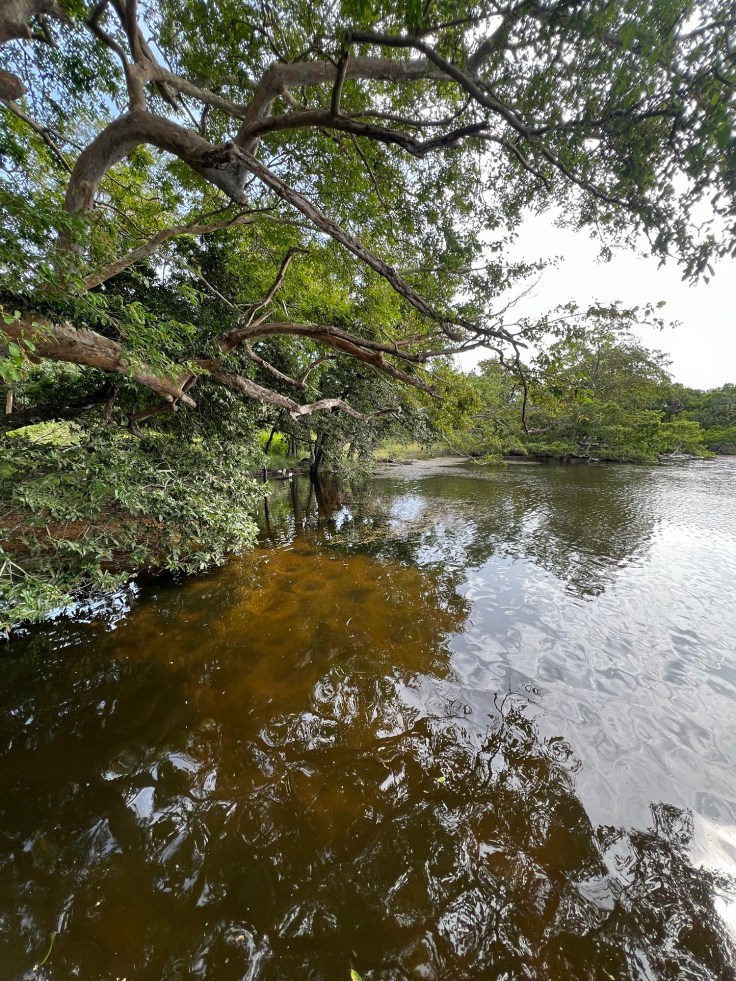
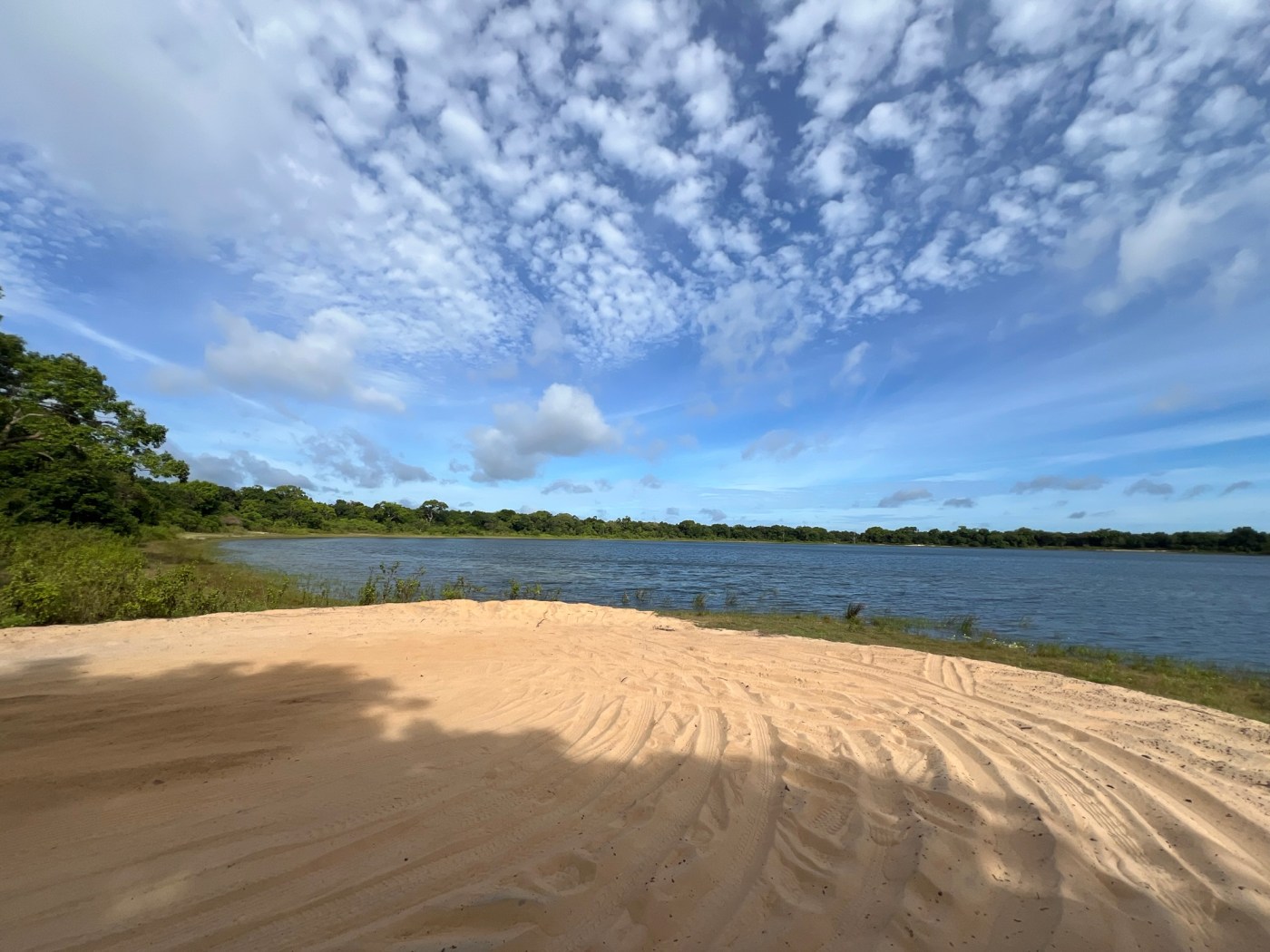
Villus – Sand rimmed large water reservoirs that give Wilpattu its name.
Living in an urban cocoon and so far away from nature, I had forgotten that the wild is an unpredictable and exciting place. When the sun goes down, darkness descends, blacking everything out. The wind blows through tall ironwood trees, and the cicadas and frogs set up a primal and confusing atmosphere. The blinding darkness and unfamiliar sounds in open, vulnerable spaces, promising unseen dangers, kindle man’s fear.
The big four slither about at night. The Common Krait, the Russel’s Viper, the Indian Cobra, and the Saw-Scaled Viper. We were strictly warned not to step out of the camp on account of elephants. Jerdon’s Nightjars gurgled in the distance.
In such darkness, old myths and superstitions grow in stature.
Growing up, I was told not to talk about snakes at night. Nagas manifest. The previous night, we had talked a lot about snakes. Just before sleeping, we had pretended that our socks were snakes and they were falling on me.
Now, a snake dropped on me. What spirits might be animating these ancient forests?
Those fear the forests kindle in us at night, we look to keep at bay with light and walls.
One of my favorite pastimes when I’m on the road anywhere is to imagine human existence before electricity was invented. This camp would have been one of the most harrowing stays. To then travel thirty kilometers from Nochchiyagama, where we were staying, to Anuradhapura, the closest metropolis, would have been fraught with dangers.
Anuradhapura, that ancient Buddhist stronghold, must have been a welcome sight for weary travellers making their way through these terrifying jungles. In addition to the pachyderms, the land is full of leopards, sloth bears, and wild water buffalo. The Wilpattu forests seem like the perfect setting for the legend of Angulimala and Buddha.
The air is full of lores of malevolent yakshas and yakshinis, nagas and naginis mentioned in the Mahavamsa. I can feel them.


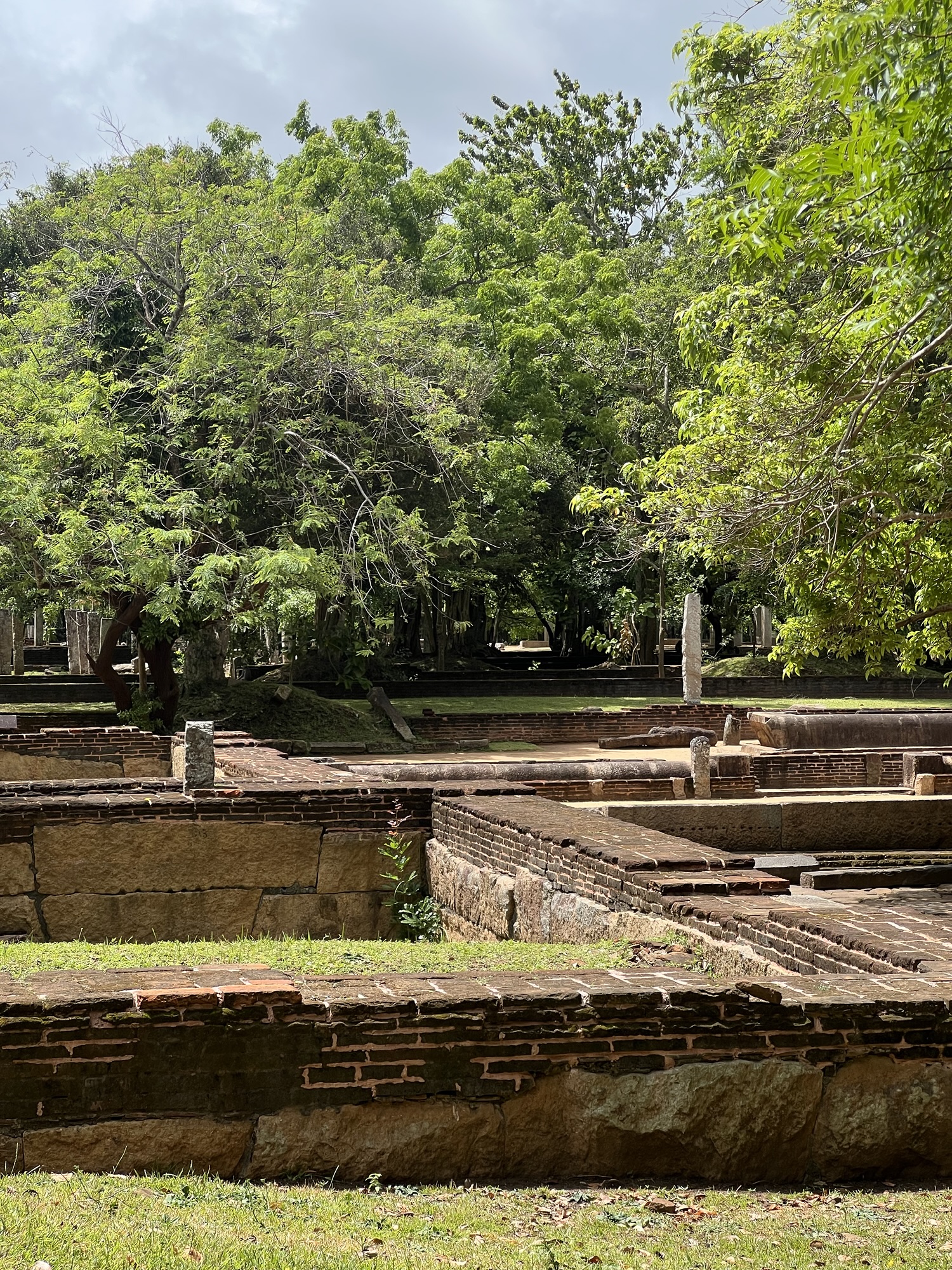
The Abhayagiri Stupa is a towering structure surrounded by an impressive sand moat. The extensive architectural ruins are atmospheric, and the Elephant Pond is a testament to the scale and elegance of construction.
The Abhayagiri monastery complexes in Anuradhapura reveal glimpses of the earliest ancient civilisations. To emerge from pressing and imminent danger into the bustling human settlement must have been a feeling of intense safety and relief that most of us modern humans no longer experience.
Morning dispels these fears. Stepping out of the camp, just 50 feet away, just like our rangers warned us, were footsteps of elephants in the dewy, red, packed-mud paths. Pug marks (“most likely a young leopard”) criss-crossed the round elephant tracks. Layered on top of these apex animals were the distinctive star-like prints of the peacock.
A Sri Lankan shama mocked the night’s terrors with its song.
A Blue-Faced Malkoha peeped warily from deep within the Sickle Bush. The Blue-faced Malkoha apparently is a resident of southern peninsular India, particularly near the Trichy region. Who knew what other wonders in life we passed by and missed when staring in ignorance and fear of the dark?
A little further up, a Jerdon’s nightjar flew up in protest from the path where it had been resting. Nightjars are another species of bird that fascinates me. Just like how I wondered why a snake would fly, I am confused why a bird perfectly capable of flying would roost and rest on pathways at ground level – big rat snakes zoomed from bush to bush, rustling out black-naped hares from their hideouts nearby.
Lording over all these birds from ground level is the Sri Lankan Jungle Fowl. It is the national bird of Sri Lanka, and while one can doubt whether it looks the part, you cannot be in any doubt that it can act the part. Even in the middle of the forest, you find this colorful fowl, merrily crowing away and parading about before making tactical retreats when someone challenges it.
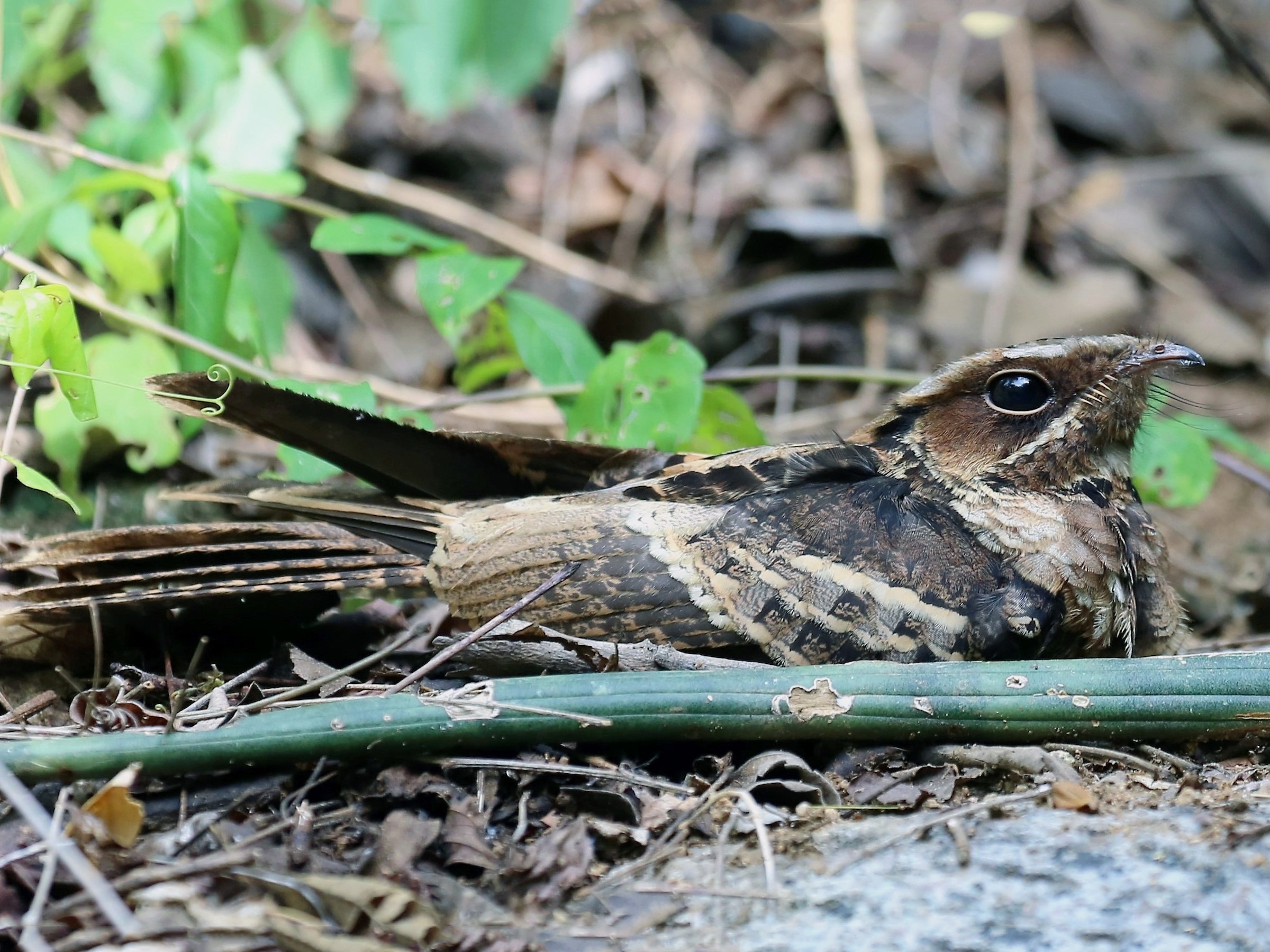
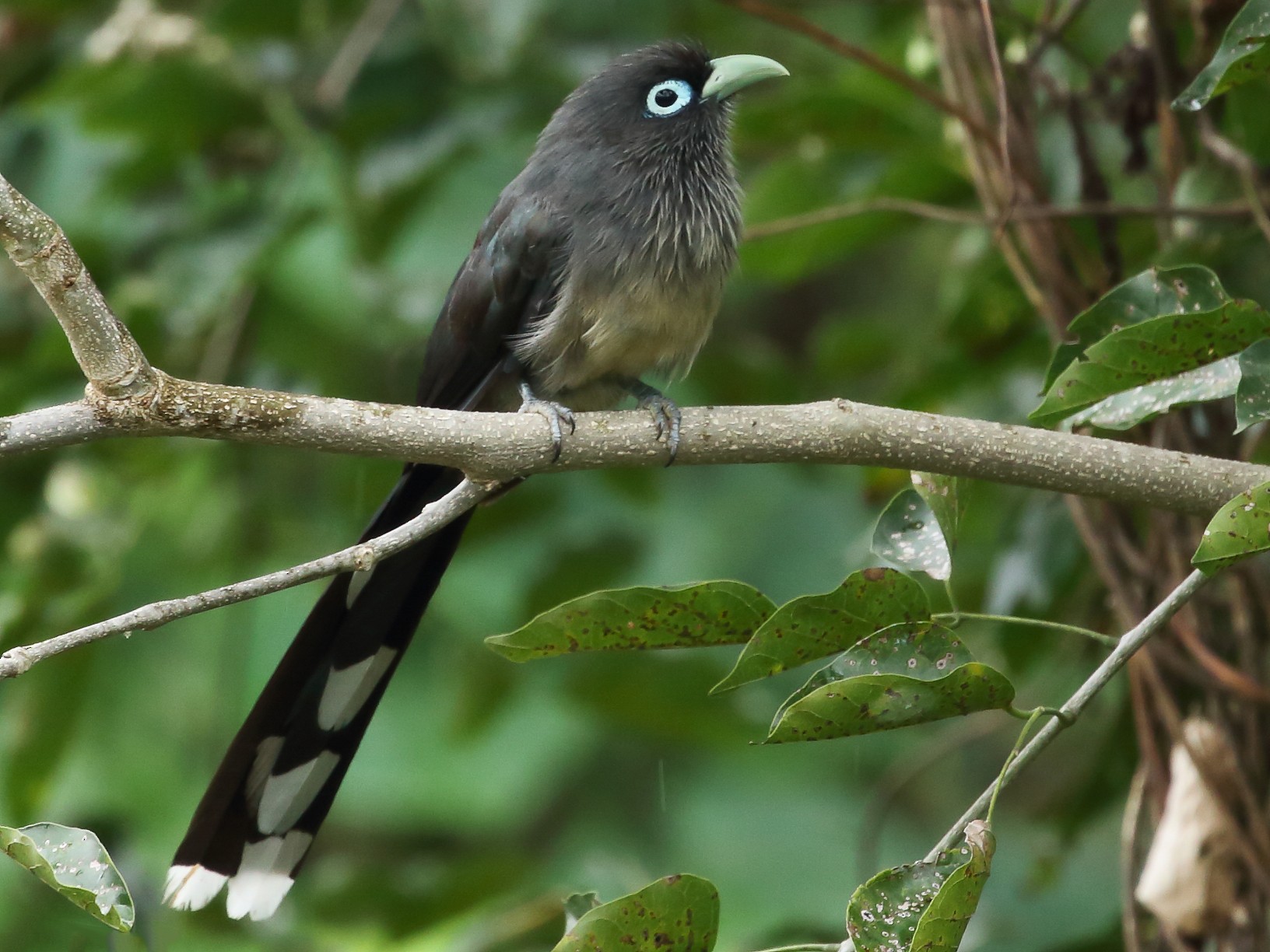
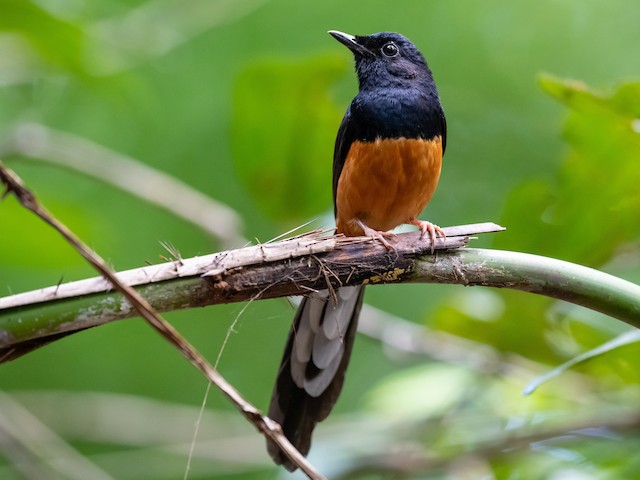
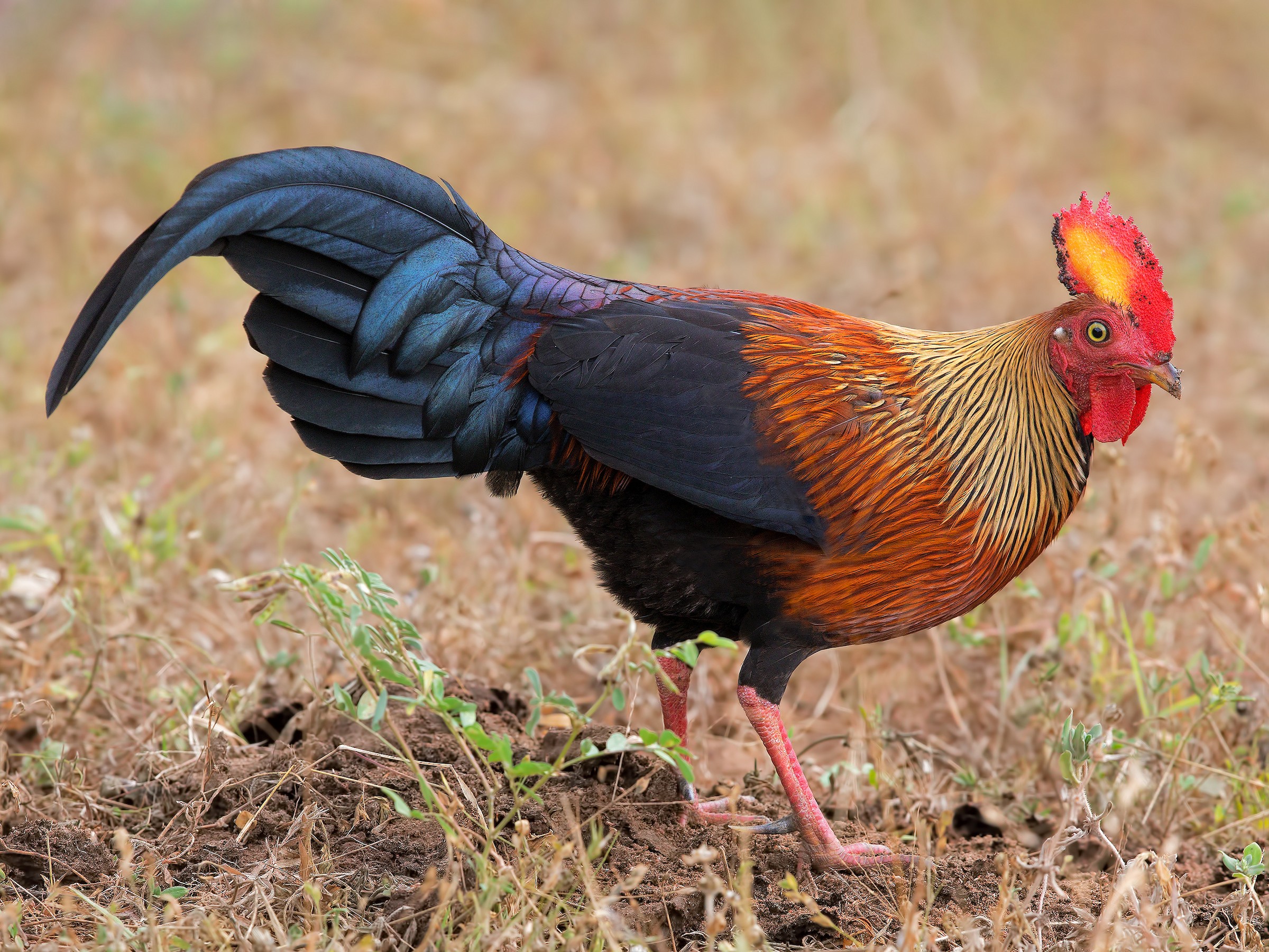
The early risers of Wilpattu. The Gerdon’s Nightjar, Blue-faced Malkoha, Sri Lankan Shama and the Sri Lankan Jungle Fowl.
Deep in the jungle, we came across a party of Malabar Pied Hornbills. Majestic and prehistoric-looking, these Hornbills were eye-catchers. Near a watering hole in the jungle, sitting low on a branch was a Crested Serpent Eagle. Incidentally, the primary suspect in the “Mysterious Case of the Flying Snake” was the Crested Serpent Eagle. There was a majestic specimen that had perched itself on the nearby tree. “It must have been that eagle that must have dropped the snake on you, sir”. But that meant the possibility of the snake being a really venomous one. I suspect the rangers decided to settle on a flying snake not to alarm us too much. We still had a few more days to stay in the camp.
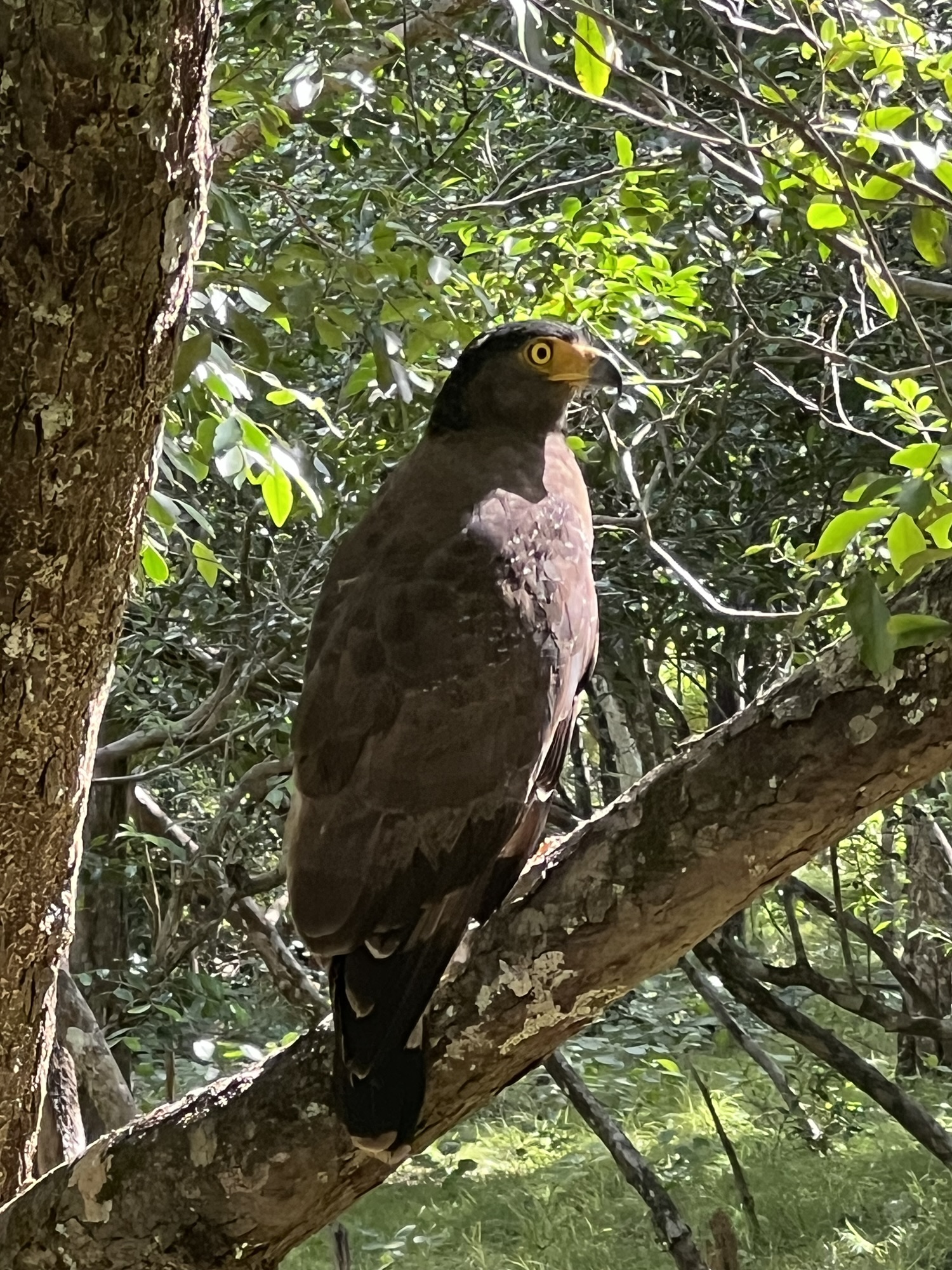

The Crested Serpent Eagle and the Malabar Pied Hornbill can both maneuver through undergrowth very easily to catch prey.
I did not dig too much either.
In a Villu (Sri Lankan for water basins and large water reservoirs), there were plenty of Painted Storks, flamboyantly pink and unashamedly long-legged, sharing the water with some serious-looking black headed ibises and a rather odd-expressioned Mugger Crocodile. Far away on the horizon, there was a Lesser Adjutant Stork, pacing the grasses.
The Lesser Adjutant Stork is distinctly officious-looking. They walk “with their hands behind their back” looking for carcasses to clean up. Their naked, bald heads and necks provide them easy access to juicy rotting meat without any mess. They are the second-largest birds in Sri Lanka, I was told. I did not break the suspense by asking for the largest bird. Why prematurely bust a good secret, right?
The Lesser Adjutant Stork seemed to be the one bird that came close to giving me the chills, even during daytime. The uncanny human expression and look, with its grisly meals and ponderous walks looking for carcases, would come back to haunt my nights, I was sure.
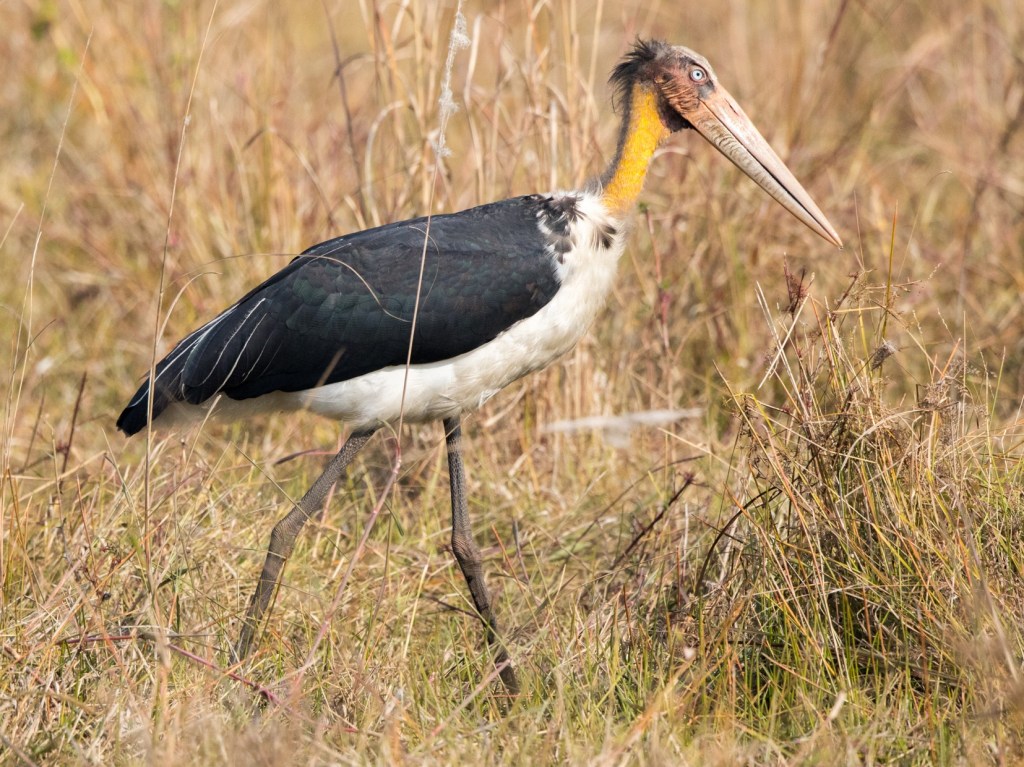
The Lesser Adjutant Stork.
The Asian Woolly-Necked Stork presents a friendlier visage with its buttoned-up, cozy plumage.
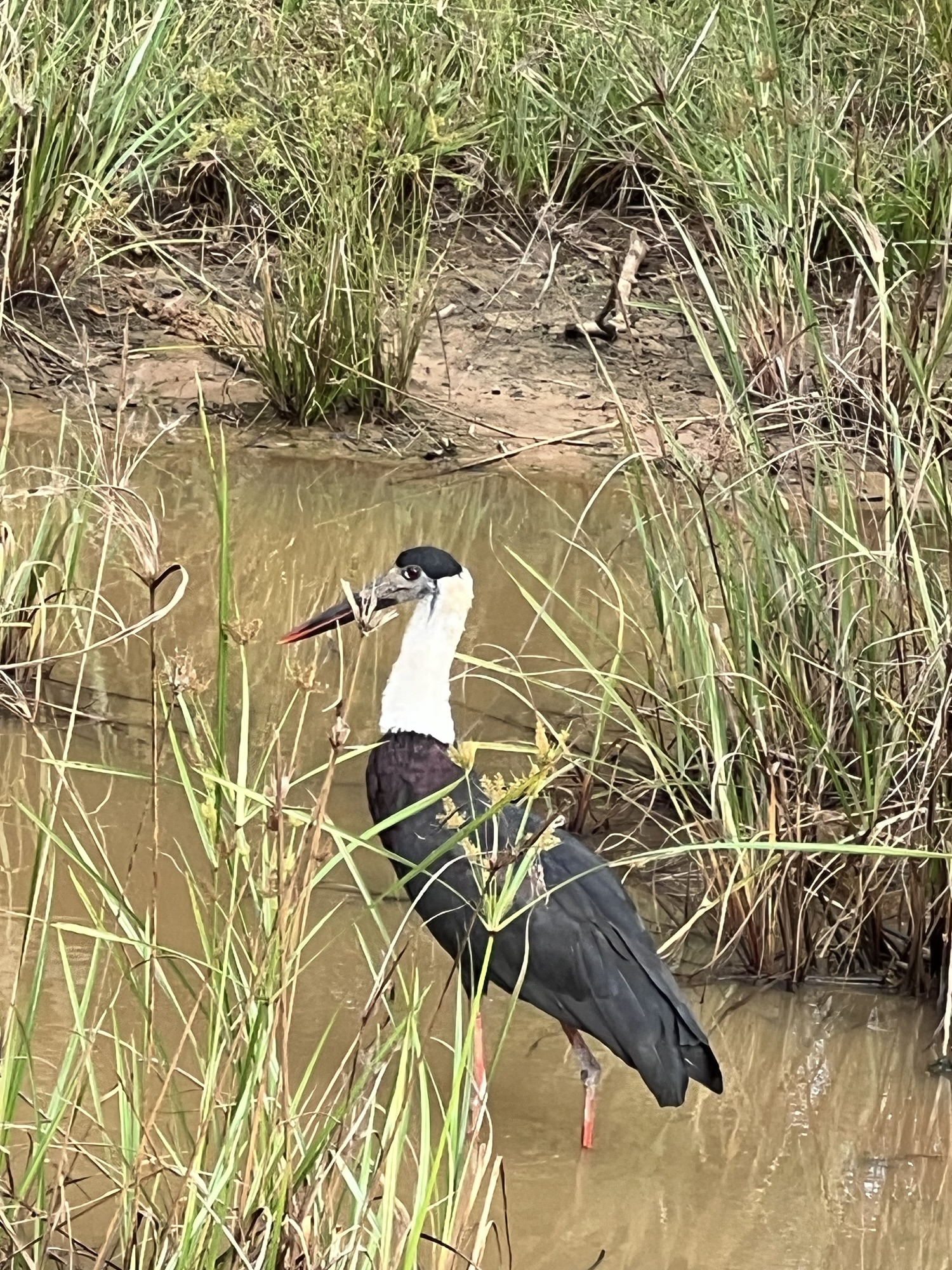


Asian Woolly Necked Storks look like they are a bit too warmly dressed for the local weather.
Keeping an eye on all the goings on in the water body, looking to swoop down on any unsuspecting fish that comes too close to the surface, was a fierce-looking Grey-Headed Fish Eagle. Like the lion, there is a noble dignity we impute to the bird without any notion of its true nature.

The resident Grey-Headed Fish Eagle in repose.
There are rock doves and spotted doves throughout the area. The new species that I saw were the Common Emerald Dove, the Orange-breasted Green Pigeon, and the large Green Imperial Pigeon.

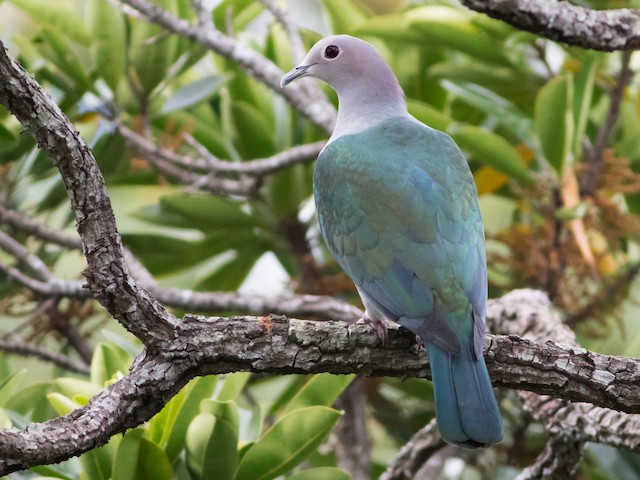
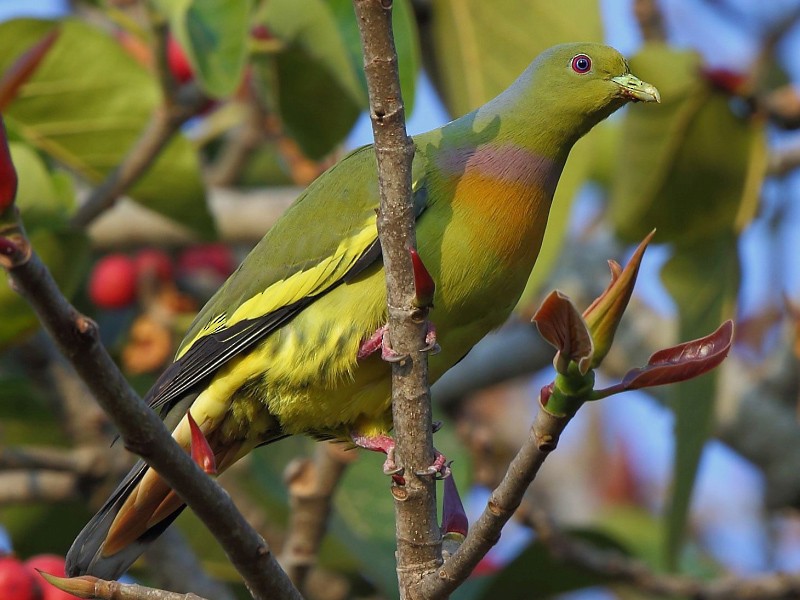
The pigeons of Wilppattu are planning a coo.
Outside the jungle, and closer to human settlements, Brown-headed Barbets and the large Sri Lankan Giant Squirrels share a leafy peepal tree. I could hear the “cok cok cok” of a Coppersmith Barbet. The Coppersmith Barbet might be my most sought-after bird for now. I keep hearing the persistent call of this tiny, colorful barbet everywhere I go, and yet I have never managed to spot one.
The sun finally set as I was watching an Indian Roller sitting on a telephone wire along the road as we were heading back to camp.
The night started closing in, parceling the birds, animals, and trees that we saw and sensed during the day. The shadows grow longer. The familiar daytime sounds die down. Once more, we are shut in, bounded by the small fragile ring of orange light cast on the ground by the kerosene lamp hung nearby.
We are instantly transported back millenia into our distant past when surrounded by the forest.
Cataloging everything that we see during the day gives us a sense of security that sustains us through the night and helps us conquer the fear of darkness. Corporal birds provide a sense of security. Only bird as omens fill us with a sense of forboding. Humans have always looked to birds, those more accessible members of the animal kingdom, to reassure and entertain us.
When we are hunkered down, we seek immediate safety. When we’ve managed safety, we reach for survival. When there is precarious survival with danger looming to pounce on us at any misstep, we lead a simple life. Our senses are alert, our bodies tensed, and we are tuned to react quickly. We do not have time for the metaphysical.
With modernity, we grapple with boredom, that more insidious and shapeless beast that can choke you before you realise you are in its grip.
Writing about nature has ringed a protective fence around me from this present-day serpent. My only concern now is whether I have adequate words for the birds.

A Changeable-Hawk Eagle, gloats over its kill (a Slender Loris)



 The Reluctant Book Worm
Leave a comment