
Breakheart Pass is not a classic, however liberally you want to abuse the definition of classic. And yet, I took some life lessons from it.
Like Mira, who picks up fallen twigs and sticks to amuse herself during a walk, only to discard them at the end of the walk, I pick up life lessons to chew and spit after watching movies.
Now, a little background on why I searched and chose to watch Breakheart Pass.
Breakheart Pass was one of the first “big books” I remember reading. I’m talking around ’93 – ’94. I had found a bunch of dusty Alistair Maclean books in a corner of the house in Trivandrum during summer vacations. Staring out of the cover page was Charles Bronson, squinting determinedly. I loved the story then. I love it now. It has a certain confidence in its absurdity, a simplistic western bravado mixed with convenient-to-resolve dilemmas – the kind that makes for blockbuster movie adaptations for ageing action heroes who can’t emote.
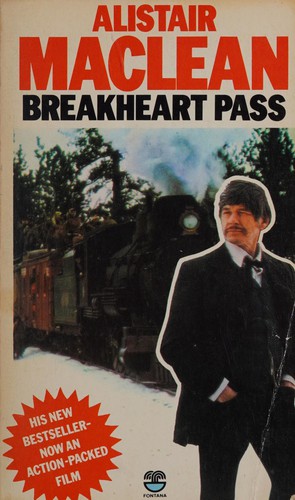
On the personal front, at the start of this academic year, I had volunteered for the role of being the parent partner for Mira’s class at school. It is a purposefully vaguely defined role, I later realised, but I jumped into it with a passion and tenacity that my poker face belied. Like Bronson on the train, surrounded by lunatics and killers, reducing complexity into manageable simplicity that cares less for nuances and more for action, I found myself assuming and acting on questionable premises with the sole intention of moving the plot along till the end of the ride.
Because sometimes, that’s all life requires.
In fact, that’s probably what life demands.
Breakheart Pass (1975) is what happens when you toss a western, a mystery, and a train into a blender and hit “puree” without checking the settings. The film’s got a certain unpolished charm, like a saloon piano slightly out of tune.
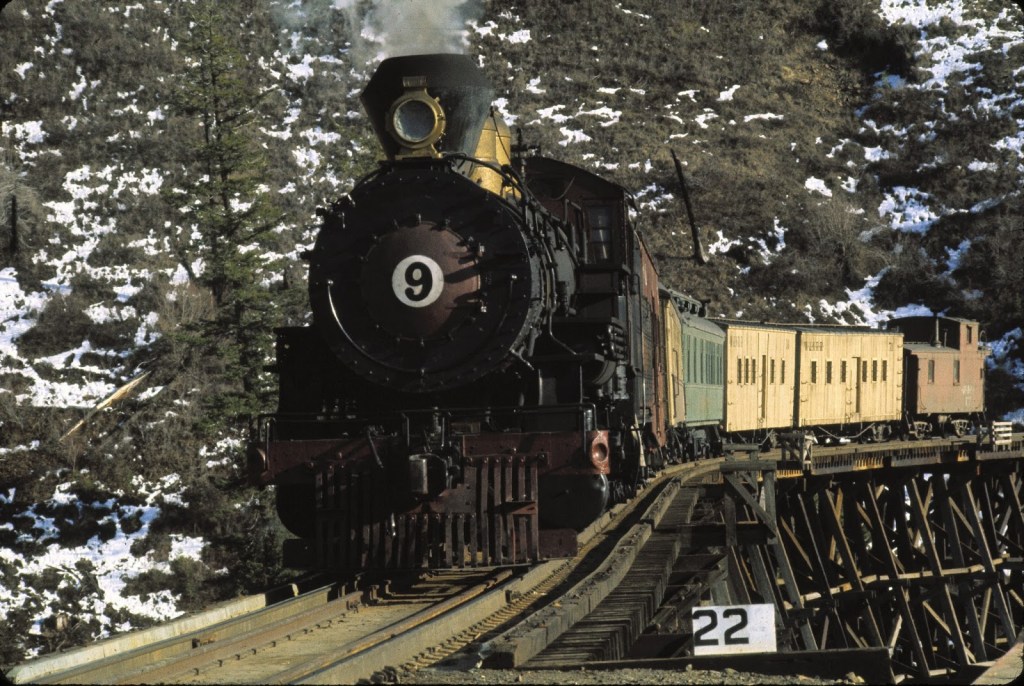
The premise is gloriously unhinged: a train barrels through the snowy Rockies, packed with soldiers, a governor, a prisoner, and enough secrets to choke a telegraph line. Bronson plays John Deakin – a frontier medic-dacoit, who looks like he’s simultaneously solving a mystery and wondering where he parked his horse. The train’s headed to a fort supposedly riddled with diphtheria, but the real disease here are plot twists—contagious and occasionally nonsensical.
If you’re thinking Murder on the Orient Express with more Stetsons and fewer brain cells, you’re not far off.
Somehow, though, I refuse to judge the movie’s flimsy plot. Real life beats the plot. Being the parent partner, I was privy to the ridiculousness of Indian parents and their expectations from the school. Just when you are rolling your eyes at how the school can possibly accommodate different dietary restrictions to the kids at school who are regularly fed a diet of screen and sugar at home, the school administration responds with the introduction of daily cupcakes and mudpies to the school lunch (“after careful consideration and consultation with a nutritionist”).
Caught between howling parents wanting the moon and a gloriously incompetent school management, all you can do is act. Act like no one else acts and move the plot forward so that the ravine is navigated and the tracks clear out on the other side.
And so we ride.
The plot is a tangle of double crosses that feels like it was scribbled on a saloon napkin. People die, allegiances shift, and the train keeps rattling along because it’s the only thing doggedly committed to the story.
The script, both in real-life and on-screen, assumes you’ll care about the stakes, but it’s hard to when everyone treats their own conspiracies like an afterthought.
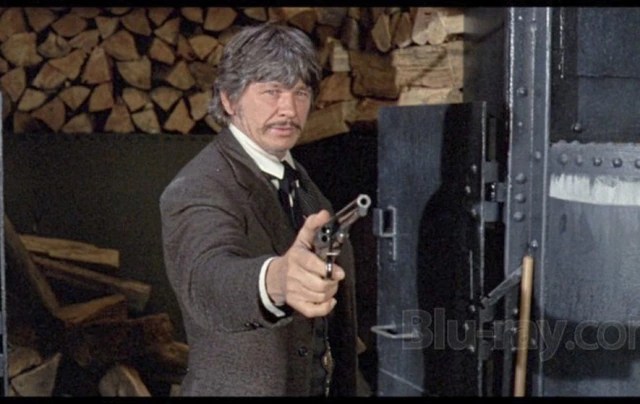
Bronson, bless him, carries the movie by sheer force of squinting. His Deakin is a man of few words, most of them growled, and he’s the only one who seems to know what’s going on, even when the audience doesn’t.
I realised it is not a bad strategy after all.
The school had organized an elocution. The topic was lofty. Sustainability. A parent raised her hand, argued for the issues to include dinosaurs—”my son loves dinos”—and threw a fit and even got the dates changed. On the day of the elocution, she was on vacation in France with her entire brood.
Did I flinch?
No.
I growled, squinted, and moved on to “why the school has three different uniform colors for each student.”
Visually, the film does manage to capture the raw chill of mountain snows and lumbering locomotives. The Rockies are so stunning, you’ll want to book a train ticket. Breakheart Pass is not Peckinpah’s blood-soaked poetry or Leone’s operatic swagger, but it’s got a “hold my beer” vibe that’s oddly endearing.
Clocking in at 95 minutes, Breakheart Pass doesn’t dawdle, and neither did I after my term was over.
I didn’t hate it—in fact, I kinda liked the unapologetic weirdness. The movie is the cinematic equivalent of a bar fight you accidentally enjoy. And my stint as a parent co-ordinator?



 The Reluctant Book Worm
Leave a comment