
They don’t make slapstick comedy nowadays in America anymore. Pie-in-the-face gags, pratfalls, and over-the-top physical humor—has definitely taken a backseat in modern Hollywood.
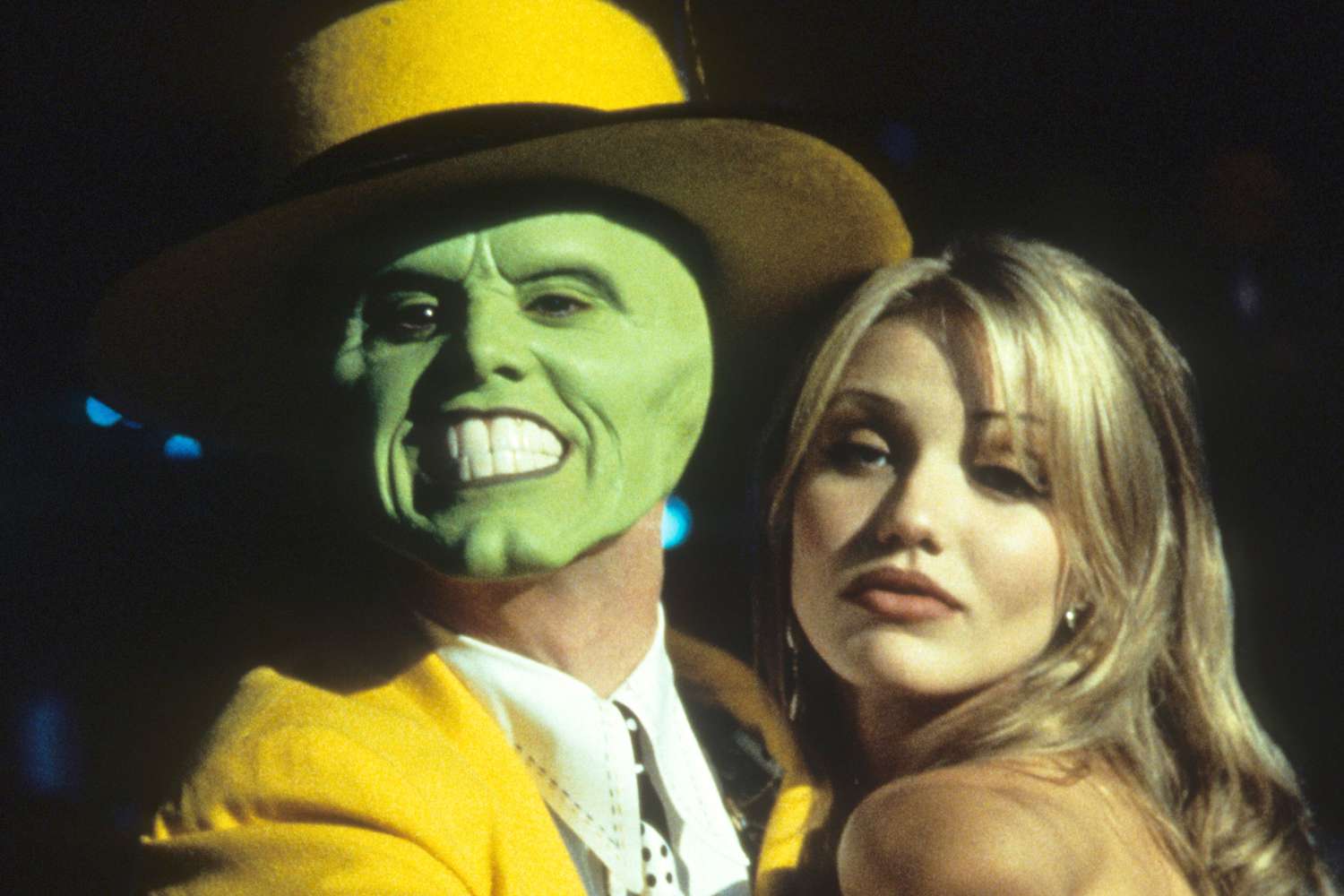
I still remember laughing over Steve Martin’s antics in Roxanne, Eddie Murphy’s clowning in the hilarious Daddy Day Care, and Jim Carrey’s paroxysms in The Mask. Every one of these movies had a master pantomime contorting themselves into positions and situations that get hilarious by the minute till it reaches a point of ridiculousness where its just mayhem.
But tastes have shifted. Audiences today want irony. Quips. Meta-humor over the raw physicality of a Buster Keaton stunt or a Three Stooges brawl. Slapstick thrives on exaggerated simplicity, but we modern viewers often crave something sharper or more self-aware.
Before Hollywood was risk-averse, before Disney executives chased global markets, there was a glorious period of slapstick. Back in the ‘90s, a Home Alone (peak slapstick gold) could rake in $476 million worldwide on an $18 million budget. Today, that kind of gambles are rare—comedy budgets either balloon for star power or shrink for streaming fodder.
Its a sad world we live in if we can’t remember Leslie Nielson’s deadpan slapstick.
Dirty Rotten Scoundrels is the gloriously comedic cinematic equivalent of watching two slick foxes try to outsmart each other over a single, slightly confused chicken—except the chicken’s got a fat wallet and a perm, and the foxes are wearing pastel suits. Steve Martin and Michael Caine are a match made in grifter heaven, playing Lawrence Jamieson and Freddy Benson, two con men battling for the crown of “Who Can Scam the Riviera’s Rich Ladies the Hardest?”
Caine’s Jamieson is so smooth you’d swear he could talk a nun out of her habit and into a timeshare, all while sipping tea and judging your posture. Then there’s Martin’s Freddy, a human tornado of bad ideas and worse table manners, who thinks “finesse” is just French for “yelling louder.” Together, they’re like a posh butler and a drunk raccoon teaming up to rob the same mansion—one’s picking the lock with a monogrammed toolset, the other’s chewing through the drywall.
The plot’s a glorious mess of fake princes, imaginary diseases, and a bet to fleece Glenne Headly’s Janet, who is either the world’s sweetest mark or secretly the puppet master—I still don’t know, and I’ve watched it twice. The gags come fast: Martin flopping around like a fish on a Ruprecht-the-unhinged-brother bender, Caine smirking through lines so dry they could dehydrate a camel, and my favorite wheelchair scam that’s so over-the-top it deserves its own Olympic event.
Is it high art? No. Is it funnier than accidentally scamming yourself out of your own lunch money? Absolutely. This movie’s a sun-soaked, slapstick gem that proves the only thing dirtier than the scoundrels is how much you’ll laugh at their idiocy. Four stars—five if you count the mustache Caine’s dignity grew to cope with Martin’s chaos.

Slapstick needs precision—timing, choreography, and performers who can sell it without CGI crutches. Legends like Charlie Chaplin or Jim Carrey had that rare mix of athleticism and charm. Today’s stars, even the funny ones, often skew cerebral (Paul Rudd, Tina Fey) or rely on improv over physical bits. The art’s not dead but it’s niche, not mainstream.
Hollywood could still crank out a slapstick hit if they found the right talent and took a swing. Till then, we’re stuck with witty banter and fart jokes dressed up as sophistication.




 The Reluctant Book Worm
Leave a comment