Director: The Joel and Ethan Coen Starring: Jeff Bridges, John Goodman, Steve Buscemi, Tara Reid, David Huddleston
“The Big Lebowski” (1998), directed by Joel and Ethan Coen, is a cult classic that blends neo-noir, stoner comedy, and absurdist philosophy into a shaggy rug of a film that ties the whole damn room together. Set in early ’90s Los Angeles, it follows Jeffrey “The Dude” Lebowski (Jeff Bridges), a laid-back, White Russian-sipping slacker who’d rather bowl than work. What starts as a case of mistaken identity spirals into a chaotic odyssey involving kidnapping, nihilists, and a rug that really mattered to him, man.
I watched The Big Lebowski when it first came out in 1998 and came away not really appreciating the vibe of the movie. There are character-driven stories, there are plot-driven stories, and then there is The Big Lebowski, which is vibe-driven. You’ve got to get with it. Roll with it. It took me a quarter of a century more before I could match the vibe.
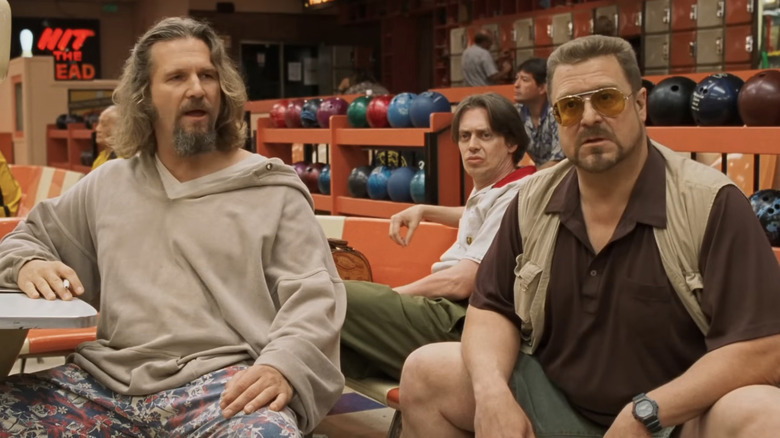
The plot kicks off when The Dude is mistaken for a millionaire also named Jeffrey Lebowski (David Huddleston), a pompous wheelchair-bound tycoon whose trophy wife, Bunny (Tara Reid), owes money to a porn kingpin. After thugs pee on The Dude’s rug during a botched shakedown, he seeks compensation from the “Big” Lebowski, only to get roped into a ransom scheme when Bunny’s allegedly kidnapped. Enter The Dude’s bowling buddies: Walter Sobchak (John Goodman), a volatile Vietnam vet with a hair-trigger temper, and Donny Kerabatsos (Steve Buscemi), a sweet dimwit who’s perpetually out of his element. Together, they stumble through a mess of double-crosses, dream sequences, and marmot-wielding Germans.
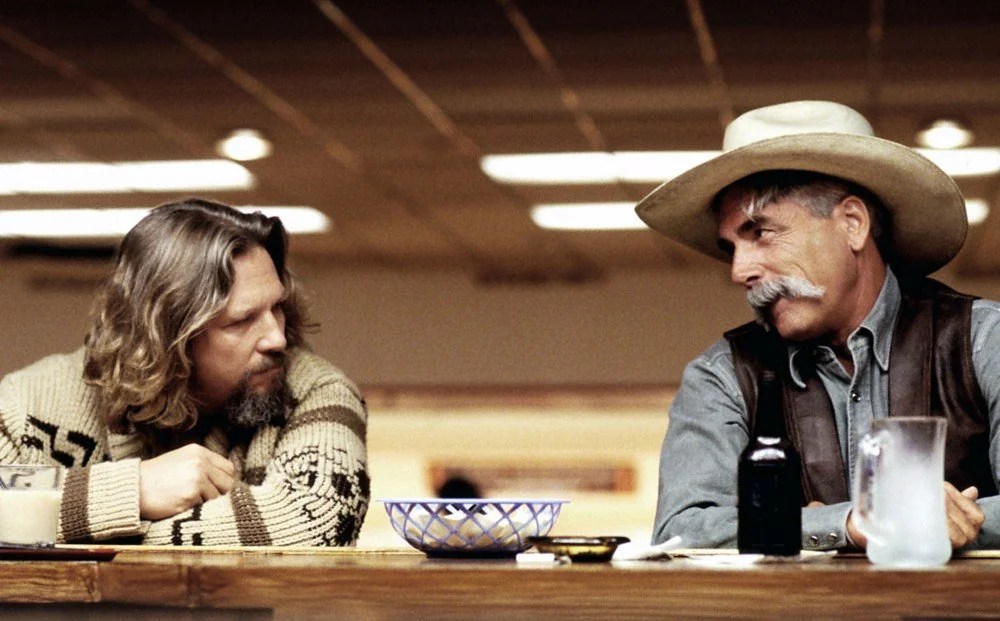
The Coens lace the film with a rogue’s gallery of eccentrics: Maude Lebowski (Julianne Moore), the Big Lebowski’s avant-garde artist daughter who flies in on a harness; Jesus Quintana (John Turturro), a flamboyant, pederastic bowler; and a trio of nihilists (led by Peter Stormare) who believe in nothing but extortion. The narration by a cowboy called The Stranger (Sam Elliott) adds a Western twang to the madness, rumbling poetically about The Dude’s ability to abide.
What makes The Big Lebowski sing isn’t just its labyrinthine plot—half of which doesn’t even resolve—but its vibe. Bridges’ Dude is a hero for the ages, a Zen burnout who drifts through life’s strikes and gutters with a shrug and a “That’s just, like, your opinion, man.” Goodman’s Walter, meanwhile, turns every scene into a shouting match about ‘Nam or Shabbos, stealing the show with lines like “This is what happens when you fuck a stranger in the ass!” The dialogue’s quotable as hell, and the soundtrack—Bob Dylan, Creedence, and a Gipsy Kings cover of “Hotel California”—is pure ear candy.
Visually, it’s a Coen brothers flex: Roger Deakins’ cinematography gives LA a hazy, sun-bleached glow, while dream sequences (The Dude floating over the city or dancing with Maude in a Busby Berkeley fever dream) are trippy delights. The bowling alley becomes a sacred space, a refuge from the chaos, even if Walter’s always pulling a gun over lane etiquette.
At its core, The Big Lebowski is a satire of American excess—greed, war, artifice—wrapped in a stoner’s shrug. It’s not about solving the mystery of Bunny’s kidnapping but about how The Dude keeps rolling spares while the world strikes out around him. Released to mixed reviews and modest box office, it’s since bowled a perfect game in pop culture, spawning festivals, a religion (Dudeism), and endless memes. It’s a film that abides, man, because it knows sometimes you just gotta take it easy—and maybe grab a Caucasian while you’re mixin’ up the plot in your head.
The Big Lebowski is an absolute cult movie.
A cult movie is typically defined by its ability to attract a dedicated, passionate fanbase that often engages with the film in a way that goes beyond casual viewership. Several factors contribute to a movie earning this status:
Uniqueness or Quirkiness: Cult movies often stand out due to their unconventional storytelling, oddball characters, or bizarre premises.
Initial Reception vs. Later Appreciation: Many cult films flop commercially or get panned by critics at first, only to be rediscovered and embraced over time.
Niche Appeal: These movies tend to resonate deeply with specific subcultures or groups, often because they tackle taboo topics, subvert norms, or speak to outsiders.
Ritualistic Viewing: Fans often rewatch cult movies obsessively, host screenings, or create traditions around them.
Memorability Over Polish: Production quality doesn’t matter as much as a distinct identity.
Word of Mouth: Cult status often spreads organically, through fans championing the film rather than studio hype.
It’s less about universal acclaim and more about inspiring a loyal, almost evangelical following. A movie becomes “cult” when it stops being just a film and starts being a shared experience or secret handshake for those in the know.
The Big Lebowski scores on each of these points.
You can even quote it man, in life, you know, whenever you don’t have an answer. Have you ever thought of it man?
The Big Lebowski is a vibe-driven fever dream where every dialogue is a bowling ball smashing through the pins of normalcy. The Dude’s apathy, Walter’s rage, Donny’s bewilderment, and Jesus’s sleaze create a symphony of ridiculousness that’s still echoing decades later. The Coen Brothers gave us a film so packed with iconic dialogue it’s basically a verbal piñata—every line’s a swing that spills out candy-coated absurdity.
“This aggression will not stand, man.”
The Dude declares after his rug gets peed on, channeling his inner statesman over a flooring felony. The Dude turns a petty grievance into a Declaration of Independence moment. It’s like he’s addressing the UN about a war crime, but it’s just a soggy rug and some bruised pride. The gravitas in his voice is so misplaced it’s hilarious—imagine Lincoln delivering the Gettysburg Address about a spilled latte. It’s peak Dude: overreacting while underreacting, all in one glorious, bathrobe-clad breath.
“You’re out of your element!”
Walter yells at Donny during a heated bowling alley rant, shutting down Donny’s attempt to join the conversation. Walter drops this like a verbal anvil, and it’s comedy dynamite. Donny’s just trying to exist, but Walter’s treating him like he wandered into a PhD seminar with a Capri Sun. The line’s so savage it’s practically a catchphrase for every know-it-all who’s ever gatekept a group chat. It’s funny because Donny IS out of his element—always—but Walter’s the one who’s unhinged, waving a gun over a lane violation.
“The Dude abides.”
The Dude closes out the film with this mellow mantra, reflecting on life’s chaos with a shrug and a sip. This is the chillest exit line in cinema history. It’s like the Dude’s saying, “Life threw nihilists, porn kings, and a ruined rug at me, and I’m still vibing—deal with it.” It’s so laid-back it’s practically horizontal, and the understated delivery makes it hilarious in its simplicity. It’s the verbal equivalent of a stoner high-fiving the universe, and it’s why we all secretly want to be the Dude.
So grab a White Russian, abide, and let the Lebowski gospel wash over you, man.






 The Reluctant Book Worm