
We live in a post-Myna world. It took me a long time to realize it, and now I cannot unsee it.
An incident occurred early yesterday morning, a telling sign of how much Mynas have imprinted themselves into our urban scenery. I was sitting in my study, casting about in my mind for a bird to write about. I was checking off names from my recent lake visit, which always features an excellent rogues’ gallery of swamp birds.
After about 20 minutes, just when I had worked myself into a mild dread of indecision, I realized I had been staring at a flock of mynas this whole time. Mynas have so confidently and comfortably inhabited the cityscape that I no longer viewed them as avians.
That is until I readjust my frames again.
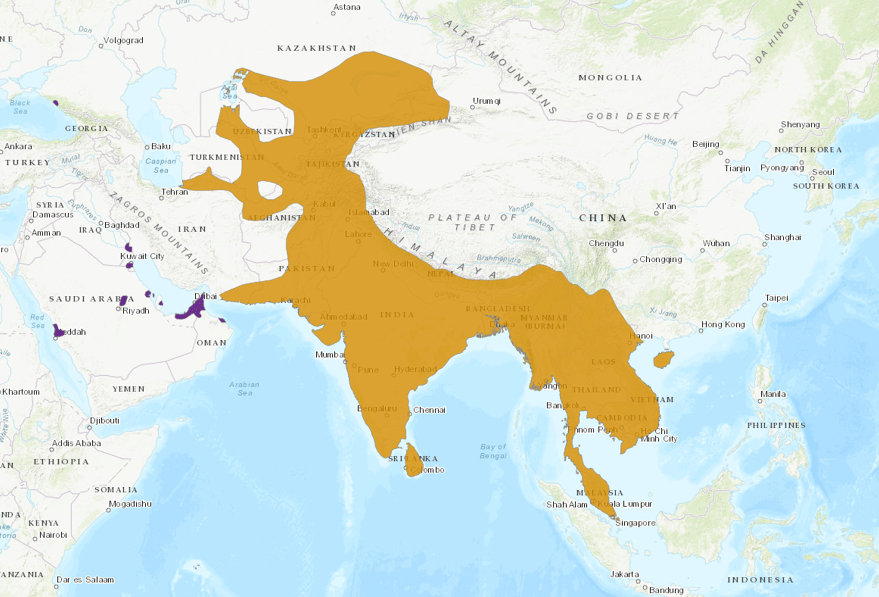
Common mynas are native to Central and South Asia, from southern Kazakhstan through eastern Iran, east across the Indian subcontinent to Sri Lanka, throughout Southeast Asia to southern China and Hainan, and south to the tip of the Malay Peninsula.
The Common Myna is an extremely intelligent and hardy bird. It croaks, squawks, chirps, clicks, whistles, and growls. It mimics and mocks. It doesn’t walk; it struts.


They look like they always have a tune in their mind. They have a hard-boiled expression on their face, a look that only needs a smoking, ashy cigarette drooping from their beak to complete the look. Like any self-respecting gumshoe, the urban setting with the traffic snarls and smoky vents are their backdrops. They are gregarious and communal. The whole city is filled with flocks of Mynas. They are dark alley dealers. The guy who knows a guy who knows a guy who can get anything done in the big bad city.
Mynas are the kind of Joe that has his hat pulled down low over his face, with a Macintosh raincoat pulled tight, and has a .33 magnum under his shoulder. Maybe that’s why the Aussies mistook Mynas for a regular bird.
Just because Mynas eat pesky insects, and the Australians were short on research time, Mynas were introduced down under.
In 2000, the IUCN Species Survival Commission declared the Common Myna one of the world’s top 100 worst invasive species.
With their fiery attitude, excellent cognitive abilities, and robust constitution aided by their hardy native habitats, Mynas are starlings of redoubt. The next time you see these flying espresso beans with yolk yellow and crema-smattered patterns in your neighborhood, it’ll do you good to guard your other avian friends.
The Mynas? They can take care of themselves.




 The Reluctant Book Worm